
av2017 rating full 300x69 min
NTL top 100 member seal min
clients choice min
criminal defense min
bbb footer logo min

Have you ever wondered what goes on behind the doors of a grand jury proceeding in Maryland? Grand jury proceedings are a crucial part of the American legal system, offering a vital step in prosecuting criminal cases. However, proceedings are not a trial. Instead, they gather up to 23 individuals who review the evidence and decide if there is probable cause to charge someone with a crime.

The process is a fascinating blend of secrecy and scrutiny. According to Maryland Courts, “A circuit court judge has responsibility for grand jury matters but does not preside over grand jury proceedings.” Also, the suspected person is not present during these sessions. Witnesses are called, but there is no cross-examination. Instead, the grand jurors have the opportunity to ask their own questions, adding an extra layer of depth to the investigative process. 

The idea of ordinary citizens playing a fundamental role in justice can pique anyone’s curiosity.

At Scrofano Law PC, we’ll navigate through the responsibilities and experiences of Maryland grand jurors. From understanding the secrecy rules to evaluating evidence, here you’ll find more information about what you need to know about the complexities and nuances of the grand jury system in Maryland.
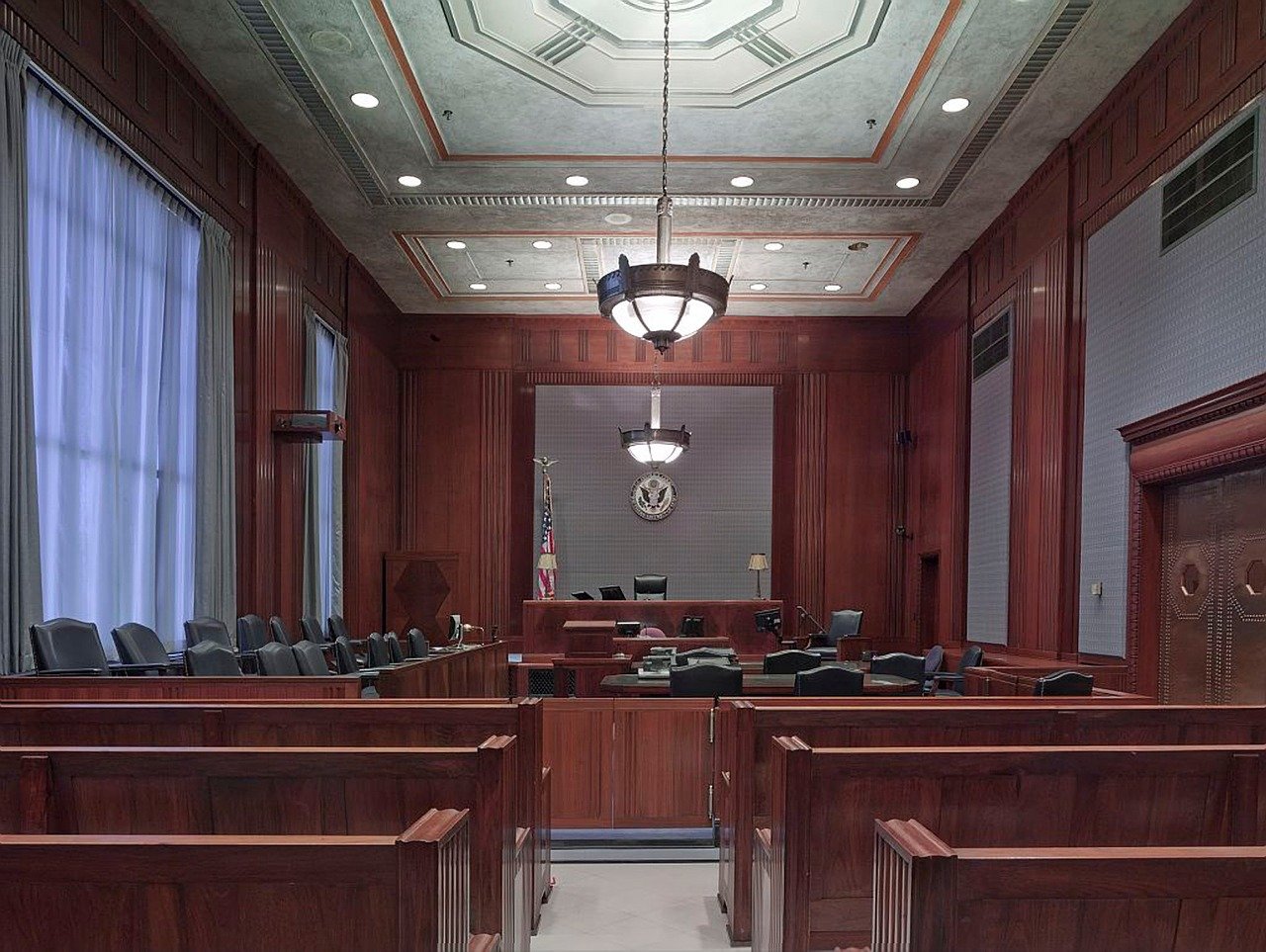
If you have questions, please contact us and schedule a consultation. We’re ready to help you understand the essentials of grand jury proceedings. 

What Is a Grand Jury?

According to Cornell Law School, a grand jury is “a group of people selected to sit on a jury that decides whether the prosecutor’s evidence provides probable cause to issue an indictment. An indictment formally charges a person with committing a crime and begins the criminal prosecution process.” 

In short, members of a grand jury decide whether there is enough evidence to charge someone with a crime. This process helps protect individuals from unjust prosecution.

Unlike a trial jury, a grand jury does not determine guilt or innocence. Its role is to evaluate evidence presented by the prosecution and decide if there is probable cause to believe the accused committed the crime.

In Maryland, serving on a grand jury is a significant responsibility. It requires individuals to participate in the essential function of the criminal justice system, which is to help ensure justice and fairness. Grand juries also differ from trial juries in other ways. For example, they do not hear both sides of the case. They only hear evidence from the prosecution and decide if charges should be filed.

The process involves reviewing documents, hearing witness testimonies, and sometimes visiting crime scenes. Grand jurors are required to keep all proceedings confidential to protect the accused and the integrity of the process.

For more detailed information about grand jury proceedings, refer to the West’s Annotated Code of Maryland. This resource provides comprehensive details about the duties and procedures involved.

The Grand Jury Process in Maryland

The grand jury in Maryland is a key part of the state’s criminal justice system. It serves to protect both the public and the accused by evaluating the state’s evidence before any charges are brought. Additionally, according to the Maryland Judiciary, serving as a grand juror is important to all citizens of Maryland, and “it’s an obligation and a responsibility that ensures equal treatment under the law for all.

A grand jury consists of up to 23 citizens, randomly selected from voter registrations and other sources. These jurors serve for up to 18 months but generally appear in court only a few days each month. This group examines the evidence presented by the state and determines if there is probable cause to charge someone with a crime.

    Responsibilities

    • Evaluating Evidence: According to Maryland Courts, the main duty of a grand jury is to review the evidence and decide if it supports the charges.
    • Protection: This process protects individuals from unwarranted prosecution.
    • Group Decision: Unlike trial juries, decisions need not be unanimous, but a majority should agree.

    Selection and Service

    There are no exemptions based on occupation in Maryland, which ensures a diverse group of jurors. Potential jurors may reschedule their service by calling the Jury Office with their juror badge ID number available.

    Juror Duties

    • Attending Sessions: Grand jurors need to attend court sessions as scheduled, which typically isn’t every day.
    • Reviewing Cases: They review multiple cases to determine whether to indict.
    • Confidentiality: Jurors are required to maintain the confidentiality of the proceedings.

    For more details on the responsibilities and selection process, refer to the “Serving on a Maryland Grand Jury” guide shared by the Maryland Courts

    Rights During Grand Jury Proceedings

    Witnesses called to testify before a grand jury have specific rights. One important right is the right to legal counsel. While witnesses can have their attorney present outside the grand jury room, they can consult their lawyer at any point. Additionally, as protected by the Fifth Amendment of the US Constitution, witnesses also have the right against self-incrimination, which means they can refuse to answer questions that may incriminate them; 

    Also, in a grand jury proceeding, people can be classified as witnesses, targets, or subjects. 

    A witness provides information without being under investigation for a crime. A subject might be involved in or have knowledge of criminal activity. A target is likely to be charged with a crime.

    Moreover, each group faces different risks. A target should be especially cautious, as anything they say can be used against them. A subject has to be careful, too, as their status can change to a target based on the evidence.

    You can find more about jurors’ rights and the selection process at the Maryland Courts jury FAQs.

    Potential Outcomes of Grand Jury Proceedings

    Grand juries in Maryland play an essential role in the criminal justice system. They ensure that only cases with sufficient evidence proceed to trial. This process upholds the principles of justice and fairness for all parties involved. Naturally, proceedings may result in different outcomes. 

    Indictment

    An indictment is a formal charge issued by a grand jury. When a grand jury believes there is enough evidence to charge someone with a crime, it issues an indictment, which means the case will proceed to trial. After an indictment, the accused will face trial, where the prosecution is required to prove guilt beyond a reasonable doubt.

    No Bill

    A “No Bill” occurs when the grand jury decides there is not enough evidence to indict. In this case, the charges are dropped, and the individual is not prosecuted.

    How Scrofano Law PC Can Help You

    Navigating grand jury proceedings can be complex and stressful. Having experienced legal representation is crucial. At Scrofano Law PC, we provide strategic advice and defense to clients throughout these proceedings. Our team understands the rules and nuances of the Maryland District Court and can help guide you through the process.

    Our attorneys have experience in a variety of criminal defense areas. They are prepared to handle cases of assault and battery, sexual assault, drug charges, and DUI. Moreover, our founding attorney, Joseph Scrofano, has a reputation as an aggressive advocate and has handled over 300 cases in the District of Columbia Superior Court

    In other words, at Scrofano Law PC, we have extensive experience navigating grand jury proceedings and can help you whether you’ve been summoned to join a grand jury or are facing criminal charges. We stand by your side from initial consultations to court proceedings at every step.

    Visit our website and schedule a consultation today. Let us help you understand more about grand jury proceedings.

    301-200-1429
    NEED AN ATTORNEY?
    Shape 4

    Contact Our MD Criminal Defense Lawyers

    Being accused of a crime can be terrifying. An imperfect justice system has placed a target on your back, and you’re left to jump through hoops while somebody else chooses your fate.

    With our Maryland team on your side, you can rest assured that your future lies in good hands. Our Maryland criminal defense lawyers understand how to even the chances when it feels like it’s you against the world. Contact us today to schedule a confidential case assessment and discover how we can make justice work for you rather than against you.
