


Navigating the Complexity of Failing a Court-Ordered Test
Failing a court-ordered drug test can be stressful and frightening, especially if you are unsure what it means for your case. The court may have ordered testing as a condition of bail, as part of a sentence, as part of probation supervision, or as part of pre-trial release.
When a court orders you to take a drug test, failing that test sets off a chain of legal consequences you need to understand. You’re in this situation if a court required you to submit to drug testing as part of a criminal case, probation, parole, or a protective order.
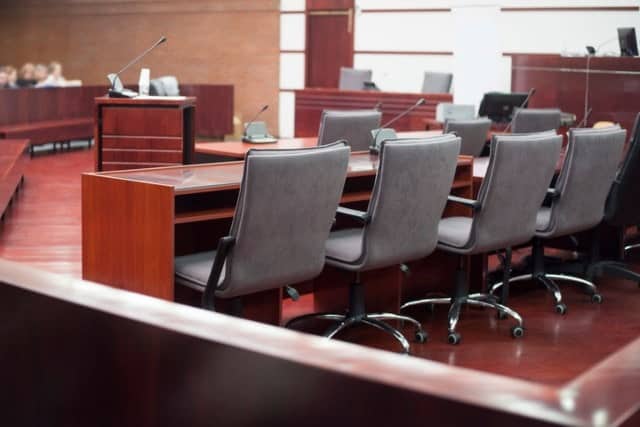
Drug court participants, people in diversion programs, and those serving suspended sentences also face this requirement.
When a test comes back positive, the court may view it as a violation of its order. This can lead to serious consequences, including additional charges, stricter supervision, fines, or even jail time.
What happens next depends on your specific situation, your criminal history, and the type of case involved. Some courts may schedule a hearing to review the results, while others may take immediate action.
There may also be ways to challenge the test results if procedures were not followed correctly or if false positives occurred. This is why understanding your rights and the possible outcomes is essential so you can respond appropriately and protect your future.
At Scrofano Law PC, we are committed to fighting for your rights and building a robust defense in such cases. Legal guidance can make a significant difference in how the court handles a failed drug test.
What Are the Legal Consequences of a Failed Drug Test?
Understanding the Chain of Command in Court-Ordered Testing
When you fail a court-ordered drug test, your case moves into specific legal channels. The court sets these rules. Your lawyer needs to know right away.
A failed test triggers documented consequences that the judge will review. The state has legal grounds to act. This is not optional or negotiable.
The consequences depend on several key facts. Your case type matters. Your criminal history matters. The drug involved and the local rules in your county or jurisdiction matter.
Maryland law treats drug test failures differently from how federal courts do. The specific judge assigned to your case matters too.
Immediate Consequences After Test Failure
A failed drug test usually starts with notification. The testing facility reports results to the court and your probation officer. This happens within days.
You will get a written notice. Your lawyer will get a copy. The court will schedule a hearing soon after.
At that hearing, the judge can take several actions right away. The judge may revoke your bail or bond. This means you go to jail pending trial.
The judge may increase bail amounts. The judge may add stricter conditions. The judge may order more frequent testing. None of these requires a new trial; the judge has the authority to modify your release conditions.
In some cases, the court orders immediate custody. You would be held without bail pending a formal hearing. This is rare but possible if the test result shows a serious violation.
Maryland courts take drug use during pending cases very seriously. DC courts operate under similar standards.
How Probation Violations Work After Test Failure
If you are already on probation, a failed test usually starts violation proceedings. Your probation officer files a violation report with the court. This report documents the failed test and other relevant facts.
You will receive notice of the violation hearing. This hearing is separate from your main criminal case.
At a violation hearing, the government must prove the violation by a preponderance of the evidence. That means “more likely than not.”
This standard is lower than “beyond a reasonable doubt” used in criminal trials. The judge does not need certainty, just more proof than doubt.
If the judge finds you violated probation, penalties follow. The judge can revoke probation entirely. You then serve the original sentence you received.
The judge can extend probation. The judge can add new conditions. The judge can order jail time as a penalty. These consequences happen separately from your main case outcome.
What Factors Determine the Severity of Consequences?
The Type of Drug Detected in Your System
Different drugs trigger different legal responses. Maryland distinguishes between controlled dangerous substances by category.
Cannabis is treated differently from heroin. Cocaine differs from prescription medications. The specific drug matters for sentencing and penalty calculations.

What Defenses and Challenges Can Apply to Failed Tests?
Laboratory and Testing Procedure Challenges
The test itself can be invalid. Labs must follow strict procedures. The sample must be appropriately handled from collection to testing.
Chain of custody documentation must be complete. Missing documentation creates reasonable doubt.
The testing equipment must be calibrated correctly. Calibration records must be current. If records are missing or outdated, results are unreliable. We demand these records and challenge testing without them.
The lab technician must be qualified. They must follow the testing protocol exactly.
If they deviated from protocol, the result may be excluded. We cross-examine the technician about their training and procedure.
Contamination can occur during collection or testing. The sample bottle must be sealed properly.
The lab environment must be controlled. False positives can result from contamination. We investigate these possibilities thoroughly.
Medical and Pharmaceutical Explanations
You may have taken prescribed medication. Some medications produce positive results for controlled substances.
Your doctor’s prescription provides a legal explanation. You must provide the prescription record at the hearing. Prescription timing matters. Did you take it before or after the test?
Over-the-counter medications can occasionally trigger false positives. Cough syrups and diet aids contain compounds resembling controlled substances. These explanations are weak but possible. We evaluate whether your medication history supports this claim.
Secondhand smoke exposure cannot legally excuse a positive marijuana test in Maryland. Even though smoke can transfer, courts do not accept “smoke exposure” as a defense. You cannot use this argument effectively.
Medical conditions can affect test results. Some conditions cause metabolites to be present in your system. These are rare. We would need medical professional testimony.
What Should You Do Immediately After Learning About a Failed Test?
Contacting Your Lawyer Right Away
Contact us immediately when you learn about a failed test. Do not wait for official notice. The faster we act, the better.
Early intervention can preserve evidence. It can shape the court’s initial response.
We will obtain the actual test result. We review the chain of custody and determine whether challenges are possible. We will prepare you for what happens next.
301-200-1429

Talk to a Criminal Defense Attorney in Washington, DC Today
Being accused of a crime can have serious consequences, including fines, a criminal record, or even time in prison. Having an experienced criminal defense attorney on your side can make a decisive difference in the outcome of your case.
At Scrofano Law PC, we are committed to protecting your rights and guiding you through every stage of the legal process. Our firm represents clients throughout Washington, DC, Maryland, and Northern Virginia in a wide range of criminal defense matters.
Contact us today to schedule a confidential consultation with a criminal defense attorney in Washington, DC.