






What Is a Second-Degree Assault?
Various assault laws exist in Maryland, with charges ranging from misdemeanors to serious felonies. Under Maryland Criminal Code Section 3-201, a first-degree assault in Maryland involves intentionally inflicting physical harm resulting in substantial injury to another person.
Assault in the second degree includes all other forms of assault. A second-degree assault charge could result from an interaction that the accused felt was fairly harmless. It may have involved offensive touching, such as shoving, that resulted in physical injuries like bruises. This offense could have led to the victim worrying about their safety. So, any time harmful intentional contact happens, it becomes at least a second-degree assault.
It is a common charge. However, it is a criminal offense that can result in devastating consequences for offenders. Charges for this crime are scary since the potential sentence for each offense is ten years in prison.

Types of Second-Degree Assault in Maryland
Second-degree assault is a broad category in Maryland. It includes various assault offenses, such as the following.
Simple Assault Charge
Simple assault is when you purposefully hurt another person. You could also be charged if you make another person fear immediate bodily harm. Simple assault is usually tried as a misdemeanor. The penalties for this could include a maximum 10-year prison sentence and possible fines.
Assault of a Law Enforcement Officer
Assaulting a law enforcement officer while on official duties is a second-degree assault. Victims of this offense could include a police officer, probation or parole officer on duty or another public safety team member.

How Second-Degree Assault Works in Maryland
Although the legal process for second-degree assault in Maryland could vary, depending on the case’s specific circumstances, here’s a general overview of how it works:
- Incident and Police Report: An incident involving a claimed assault triggers the process. A police report is made when a victim or witness reports the occurrence.
- Investigation: Law enforcement agencies look into the occurrence and gather information. They speak with witnesses, including the accused and the victim.
- Arrest: Police may take the accused into custody if the evidence points to a possible second-degree assault.
- Initial Appearance: The accused is hauled before the judge for their initial appearance after arrest. The judge may now impose bail restrictions. They decide whether the accused can be freed on bail or must wait in detention and when the initial hearing or trial will occur.
- The Preliminary Hearing: A preliminary hearing can help decide whether sufficient evidence exists to proceed with a trial. The prosecution presents evidence and witnesses to show probable cause for the charges.
- Official Charging: If the case goes forward, the defendant is formally charged with second-degree assault. The prosecution will submit a statement of charges.
- Arraignment: An arraignment hearing is held before the court with the accused present. The accused is informed of the allegations at this hearing. They can plead guilty, not guilty, or no contest.
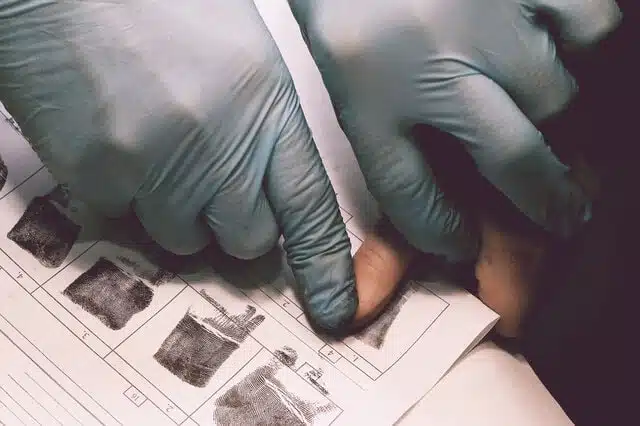
Can Second Degree Assault Cases Be Expunged From the Record?
In Maryland, second-degree assault charges are common. If you have been convicted, you may wonder if a second-degree assault can be expunged. It can, but the process depends on the case’s outcome. For example, it could take three years to expunge a case that resulted in the following:
-
Nolle prosequi
-
Stet
-
Dismissal, and
-
Probation before a judge (PBJ)
However, a defendant with a guilty finding must wait 15 years after completing the probation period for their record to be expunged. If you want to expunge a second-degree assault from your record, consult an expungement lawyer.


Contact Our MD Criminal Defense Lawyers
Being accused of a crime can be terrifying. An imperfect justice system has placed a target on your back, and you’re left to jump through hoops while somebody else chooses your fate.
With our Maryland team on your side, you can rest assured that your future lies in good hands. Our Maryland criminal defense lawyers understand how to even the chances when it feels like it’s you against the world. Contact us today to schedule a confidential case assessment and discover how we can make justice work for you rather than against you.