


av2017 rating full 300x69 min
NTL top 100 member seal min
clients choice min
criminal defense min
bbb footer logo min

Overview of Refusing a Breathalyzer in Maryland

Refusing a breathalyzer in Maryland is a serious decision with immediate consequences. A refusal triggers an automatic MVA suspension—270 days for a first refusal and up to two years for subsequent refusals—regardless of whether you are ultimately convicted of DUI or DWI. Prosecutors may also argue that a refusal suggests “consciousness of guilt,” which can increase the pressure of defending your case.

These moments are overwhelming, especially when you’re trying to understand your rights while facing criminal charges. Our team at Scrofano Law PC supports individuals navigating this situation in Maryland by providing clear explanations, steady guidance, and strong representation in both administrative and criminal processes.

If you have recently refused a breathalyzer test, acting quickly is essential. Deadlines move fast, and the choices you make early on can shape both the MVA outcome and the criminal case. Contacting us as soon as possible gives you the opportunity to protect your driving privileges, understand your options, and respond strategically before the situation becomes more challenging to manage.

What to Expect After Refusing a Breathalyzer in Maryland

When a driver refuses a breathalyzer in Maryland, two parallel processes begin: an MVA administrative case and a criminal DUI/DWI case. After the stop, officers rely on driving behavior, observations, and any statements you make. You may be asked to perform field sobriety tests—these roadside exercises can be declined without an automatic penalty.

If an arrest occurs, the officer will transport you to the station and review the DR-15 form, which explains Maryland’s implied consent law and the penalties for refusing or failing the test. A refusal results in the confiscation of your license and issuance of a temporary paper license valid for up to 45 days. From the date of the suspension order, you have 10 days to request an MVA hearing. Missing this deadline means that the suspension will begin automatically.

Understanding this process early helps you make informed decisions. The administrative and criminal tracks each move on strict timelines, and the rules can become more complicated for drivers with commercial licenses or those who also hold D.C. driving privileges, where the consequences may extend across jurisdictions.

License Suspension and Administrative Penalties

The MVA penalties for refusing a breathalyzer are strict and separate from any court outcome:

  • First refusal: 270-day suspension
  • Second or subsequent refusal: up to two years

Maryland does not offer a work-only restricted license after a refusal, but many drivers qualify for the Ignition Interlock Program as an alternative. Choosing between interlock participation and contesting the suspension at a hearing depends on your circumstances. At the MVA hearing, several issues can be challenged, including whether the officer had reasonable grounds for the stop, whether the DR-15 advisement was properly given, and whether the refusal was clear and unequivocal.
Impact of Breathalyzer Refusal on DUI Cases

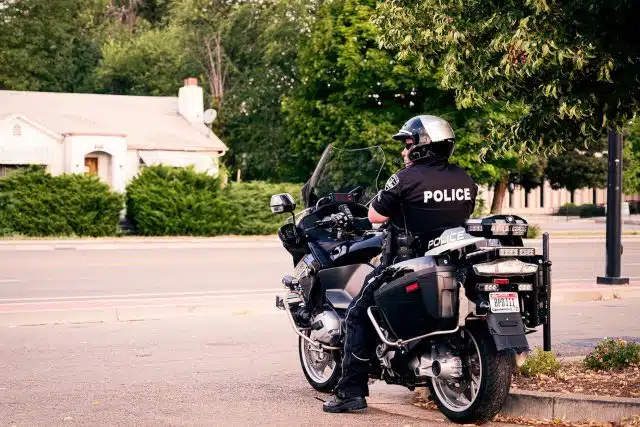
Refusing a breathalyzer test in Maryland does not automatically result in the dismissal of a DUI or DWI case. Instead, it changes the evidence the prosecution relies on and often shifts their strategy. Without a numerical BAC, prosecutors focus heavily on what they can prove through observations and procedure. This typically includes:

  • The officer’s observations, such as odor of alcohol, slurred speech, or bloodshot eyes

  • Driving behavior leading to the stop

  • Field sobriety test performance and ability to follow instructions

  • Body-worn camera footage capturing demeanor and balance

  • Statements made during the stop or at the station

  • The refusal itself, used as circumstantial evidence

This type of case can feel challenging because the state may argue that a refusal indicates “consciousness of guilt.” However, the absence of a test result also means the state must rely on subjective impressions and procedural steps—areas where errors, gaps, or inconsistencies can significantly affect the outcome.

A strong defense involves reviewing every detail, including the basis for the stop, the advisements given, the timing, the paperwork, and the video evidence. When procedures are unclear or unsupported, the prosecution’s narrative becomes far less persuasive.

Your Rights and Options After a Breathalyzer Refusal

Even under Maryland’s implied consent rules, you still have important rights before and after a DUI arrest. These include the following:

  • Right to remain silent: Beyond providing license, registration, and insurance, you do not have to answer questions or explain your alcohol use.
  • Right to decline field sobriety tests: These roadside tests are voluntary and can be respectfully refused without automatic penalties.
  • Right to consult an attorney before deciding on the station breath test: Because timing is limited, reaching out as soon as possible is crucial.
  • Right to request an MVA hearing: You must request it within 10 days to challenge the administrative suspension.
  • Right to a defense in criminal court: The stop, the advisements, the procedures, and the use of your refusal can all be examined and challenged.

Strategies for Building a Strong Defense in Breathalyzer Refusal Cases: How Our Firm Helps

Refusal cases require a strategic, detail-driven approach. Our firm steps in immediately to protect your license, challenge the evidence, and position you for the best possible outcome. Here is how we build a strong defense on your behalf:

  • Challenging the stop and detention: We begin by analyzing why you were stopped and whether the officer had the legal basis to detain you. If there is no reasonable suspicion or if the stop was improperly expanded, we move to suppress evidence—including the alleged refusal—before it can be used against you.

  • Reviewing advisements and procedures: Maryland’s implied consent laws require strict compliance. We carefully review the DR-15 advisement, the timing, and how the officer explained your rights and penalties. Any confusion, omission, or deviation from the required procedure can be powerful grounds to challenge both the MVA suspension and the criminal charges.

  • Documenting medical or physical limitations: If you have conditions such as asthma, COPD, anxiety, or any injury that may have prevented you from providing a sample, we help gather medical records, statements, or expert support to demonstrate that the issue was not an intentional refusal.

  • Evaluating field sobriety testing: Because prosecutors rely heavily on field sobriety tests in refusal cases, we scrutinize the officer’s instructions, the roadside conditions, and whether outside factors (such as weather, footwear, medical issues, or fatigue) affected your performance. Any deviation from standardized procedures can be used to weaken the state’s case.

  • Using video and witness evidence: Our team reviews all body-worn camera footage, dashcam video, and witness accounts to uncover inconsistencies between what happened and what the officer reported. These discrepancies often create reasonable doubt or reveal procedural violations that work in your favor.

  • Advising on interlock and mitigation: We guide you on whether the Ignition Interlock Program is the right option for your situation and help you take proactive steps—such as completing an alcohol evaluation or treatment—when advisable. These decisions can help protect your driving privileges and strengthen your position in negotiations or court.

  • Coordinating the MVA and criminal proceedings: Many drivers underestimate the close connection between the two processes. We handle both the MVA hearing and the criminal case in a coordinated, strategic way to avoid unintended consequences and maximize your chances of keeping your license and avoiding a conviction.

Protect Your Future with Informed Legal Guidance

Refusing a breathalyzer avoids providing a numerical BAC result, but it can trigger serious and immediate consequences. Without early intervention, you may lose your driving privileges well before your case ever reaches a courtroom.

Working with experienced defense counsel ensures critical deadlines are met, evidence is preserved, and your rights are protected from the outset. Our team provides clear explanations, practical guidance, and a coordinated strategy for both the MVA process and the criminal case. The objective is straightforward: to protect your license, safeguard your record, and build the strongest defense possible under the circumstances.

If you are dealing with the fallout of a breathalyzer refusal in Maryland, Scrofano Law PC is here to help you take the next step with confidence and clarity. Call us today to schedule a consultation

301-200-1429
NEED AN ATTORNEY?
Shape 4

Contact Our MD Criminal Defense Lawyers

Being accused of a crime can be terrifying. An imperfect justice system has placed a target on your back, and you’re left to jump through hoops while somebody else chooses your fate.

With our Maryland team on your side, you can rest assured that your future lies in good hands. Our Maryland criminal defense lawyers understand how to even the chances when it feels like it’s you against the world. Contact us today to schedule a confidential case assessment and discover how we can make justice work for you rather than against you.